
 By
By 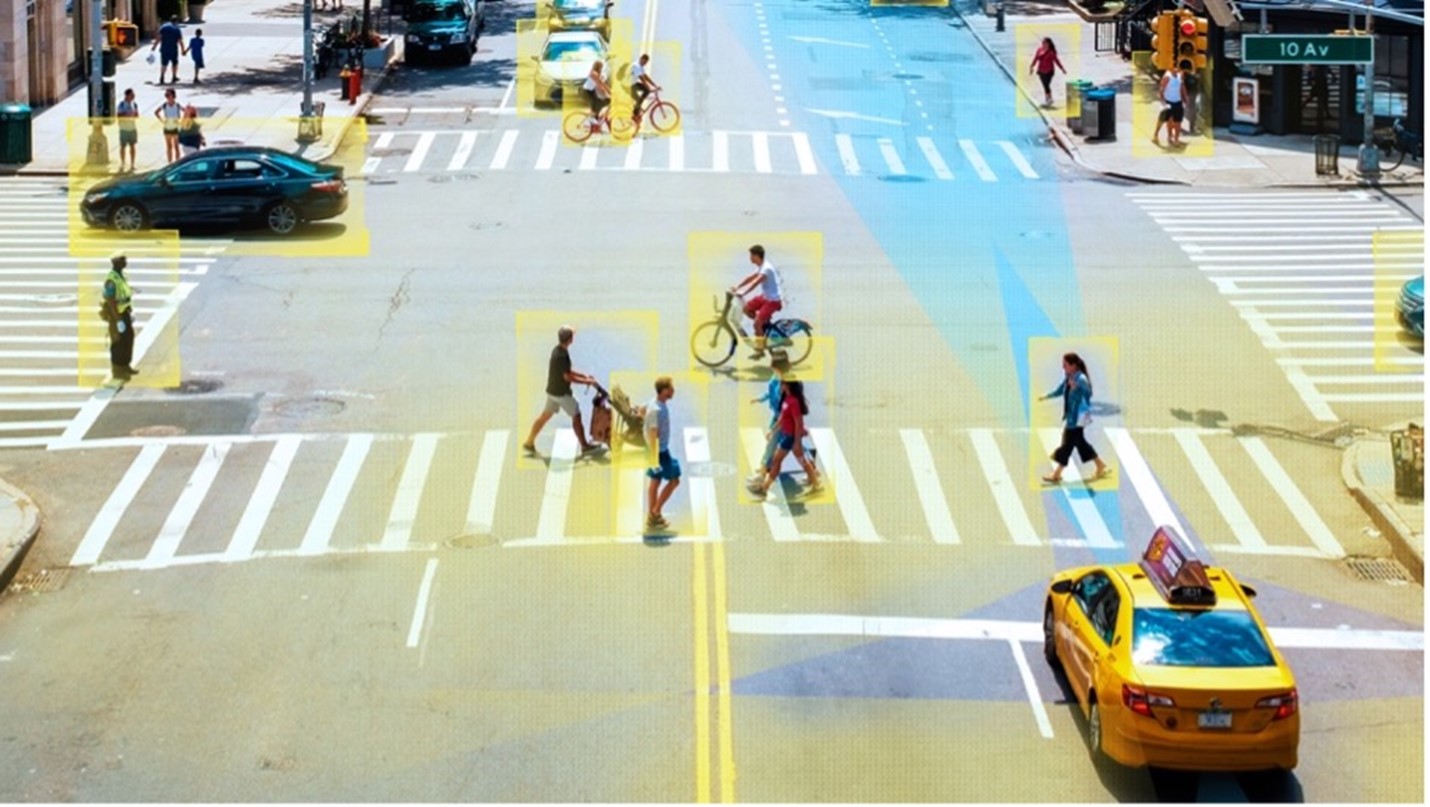
City planning is a complex, evolving process that aims to balance mobility, safety, and quality of life. Whether it’s designing new roads, updating intersections, or building safer pedestrian zones, one of the most crucial yet often overlooked components is traffic safety. This is where traffic safety experts come in.
Professionals like Salus Traffic safety experts work at the intersection of engineering, behavioral science, and public policy to reduce road hazards and ensure that infrastructure development aligns with safety goals. Their insights are vital from the early design phases all the way through to implementation and long-term monitoring.
1. Integrating Safety Into Urban Design
One of the most impactful roles traffic safety experts play is ensuring safety is not an afterthought—but a foundational element—of city planning. They collaborate with engineers, architects, and planners to:
- Optimize road geometry (e.g., roundabouts vs. traffic lights)
- Design crosswalks, bike lanes, and pedestrian paths
- Implement speed-reduction measures like curb extensions or raised intersections
- Determine safe placement for signage and signals
Their data-driven insights help shape cities where all road users—drivers, cyclists, and pedestrians—can move safely and efficiently.
2. Conducting Traffic Safety Audits
Before approving major infrastructure projects or rezoning applications, cities often require a road safety audit (RSA). Traffic safety experts lead these audits to:
- Evaluate collision history and patterns
- Identify risk zones (e.g., blind curves, high-speed corridors)
- Recommend improvements such as better lighting or signal timing changes
- Assess how changes will impact traffic flow and emergency access
These audits are crucial in high-density or mixed-use areas where accidents are more likely.
3. Supporting Policy Development and Compliance
Traffic safety professionals are instrumental in developing public safety policies that guide everything from traffic signage standards to school zone enforcement. Their role includes:
- Advising municipalities on traffic bylaws and regulations
- Setting standards for work zone safety and lane closures
- Supporting Vision Zero strategies aimed at eliminating fatalities
- Assisting in drafting bylaws that impact vehicle and pedestrian behavior
This ensures local laws are both enforceable and evidence-based.
4. Promoting Multi-Modal Transportation Safety
With growing demand for walkable and bike-friendly cities, planners must create environments that accommodate all types of mobility. Traffic safety experts support this by:
- Designing protected bike lanes and priority crossings
- Recommending buffer zones between traffic and sidewalks
- Helping plan transit hubs with pedestrian safety in mind
- Integrating traffic-calming strategies near schools and parks
This holistic approach promotes safer, more inclusive cities.
5. Leveraging Data and Technology
Traffic safety is no longer based on intuition—it’s grounded in analytics. Experts use modern tools to model and predict outcomes of city planning choices, including:
- Crash data mapping
- Real-time traffic flow analysis
- Simulation software for future development scenarios
- Smart sensor systems to measure speed and pedestrian activity
These insights lead to better-informed decisions and measurable safety outcomes.
6. Community Engagement and Education
Another key responsibility of traffic safety professionals is public engagement. They work with community groups, schools, and business associations to:
- Educate residents about road safety initiatives
- Address concerns from vulnerable road users
- Promote safer driving, cycling, and walking behavior
- Gather feedback that informs future planning efforts
This builds trust and ensures the voices of all residents are reflected in city plans.
Conclusion
Traffic safety experts are essential partners in city planning. Their work goes far beyond designing safer intersections—they help shape the way cities grow, move, and thrive. With expertise in regulation, urban design, public behavior, and analytics, professionals like Salus Traffic safety experts ensure that safety isn’t just a priority—it’s embedded into the fabric of our communities.











Comments