
 By
By 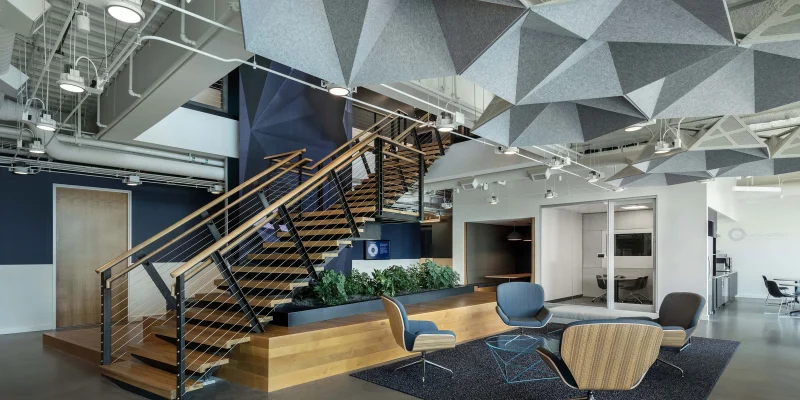
Acoustic panels can make a noticeable difference in how a space feels. Whether it is a home office, a meeting room, a café, or a retail environment, the right setup can improve clarity, reduce echo, and create a more comfortable atmosphere.
That said, not all panels—or designs—deliver the same results. Many people focus on appearance or quantity, but effective acoustic panel design goes a bit deeper than that. It is about understanding how sound behaves in a space and shaping it to suit how the room is used.
If you are planning to install acoustic panels, here are the key things worth considering before making any decisions.
Start with the Purpose of the Space
Every space has a different acoustic goal.
A home office may need clear speech for calls and meetings. A restaurant might aim to reduce overall noise so conversations feel easier. A music room could require a balance between absorption and liveliness.
Before choosing panels, it helps to define what you want to achieve. Are you trying to reduce echo, improve speech clarity, or control overall noise levels?
This clarity guides every other decision, from panel type to placement.
Understand the Type of Noise You Are Dealing With
Not all noise behaves the same way.
Airborne noise, such as voices or music, travels through the air and reflects off surfaces. This is what acoustic panels are best at managing within a room.
Impact or structural noise, such as footsteps or vibrations, travels through building materials. Panels have a limited effect on these types of noise.
Identifying the main issue helps set realistic expectations and ensures you are choosing the right solution.
Placement Comes Before Quantity
It is tempting to think that more panels will automatically lead to better results. In practice, placement has a much bigger impact.
Key areas to focus on include:
- First reflection points on walls
- The ceiling above main activity areas
- Surfaces directly opposite the sound source
Treating these areas helps intercept sound early in its path, reducing echo and improving clarity.
A smaller number of well-placed panels often outperforms a larger number placed randomly.
Balance Is More Important Than Maximum Absorption
Good acoustic design is about balance, not elimination.
A completely “dead” room, where all reflections are absorbed, can feel unnatural and uncomfortable. This is especially true in everyday environments like living rooms or offices.
The goal is to reduce excessive reflections while maintaining some natural sound. This creates a space that feels controlled but still lively.
Achieving this balance often involves combining panels with untreated surfaces.
Consider Panel Material and Thickness
Not all acoustic panels perform the same way.
Thicker and denser panels generally absorb a wider range of frequencies, including lower tones. Thinner panels are more suited for higher-frequency sounds, such as speech.
Material also matters. Common options include fabric-wrapped fibreglass, foam, and polyester fibre panels, each with different performance characteristics.
Choosing the right combination depends on the type of sound you are trying to manage.
Think About Coverage and Distribution
Instead of concentrating all panels in one area, it is often more effective to distribute them across key surfaces.
Even coverage across reflection points helps create a more uniform acoustic environment. This is particularly important in larger spaces where sound travels further.
At the same time, avoid over-treating one part of the room while leaving others untouched. Uneven treatment can lead to inconsistent sound quality.
Do Not Overlook the Ceiling
Ceilings play a major role in sound reflection, especially in rooms with hard flooring.
In many cases, adding panels to the ceiling can have a strong impact without taking up wall space. This is useful in compact environments where walls are already occupied.
Suspended panels or ceiling clouds can also bring absorption closer to ear level, improving effectiveness.
Integrate Panels with the Overall Design
Acoustic panels do not have to look technical or out of place.
Many modern designs allow panels to double as decorative features. They come in various colours, shapes, and patterns that can complement the overall aesthetic of a space.
Planning the visual aspect alongside acoustic performance ensures that the panels enhance both function and appearance.
Factor in Practical Constraints
Every space has limitations.
Wall space, ceiling height, budget, and installation requirements all influence what is possible. In smaller rooms, multi-functional solutions often work best.
For example, upholstered furniture, curtains, and rugs can contribute to sound absorption while serving other purposes.
Working within these constraints helps create a solution that is both effective and practical.
Plan for Installation and Maintenance
Proper installation is essential for performance.
Panels need to be securely mounted and positioned according to the design plan. Gaps, uneven spacing, or incorrect placement can reduce effectiveness.
Maintenance is also worth considering. Panels should be durable and easy to clean, especially in commercial environments.
When to Seek Professional Input
For more complex spaces, such as large offices, studios, or venues, professional guidance can be helpful.
Acoustic specialists can assess the space, identify problem areas, and recommend a tailored solution. This reduces guesswork and ensures that the design delivers the intended results.
Final Thoughts
Designing an effective acoustic panel setup is not about filling a room with as many panels as possible. It is about understanding how sound behaves and making thoughtful choices based on that understanding.
When you consider purpose, placement, material, and balance, acoustic panels become a powerful tool for shaping a space. The result is not just less noise, but a more comfortable and functional environment overall.
With the right approach, even simple adjustments can lead to noticeable improvements, making the space more enjoyable for everyone who uses it.









Comments