
 By
By 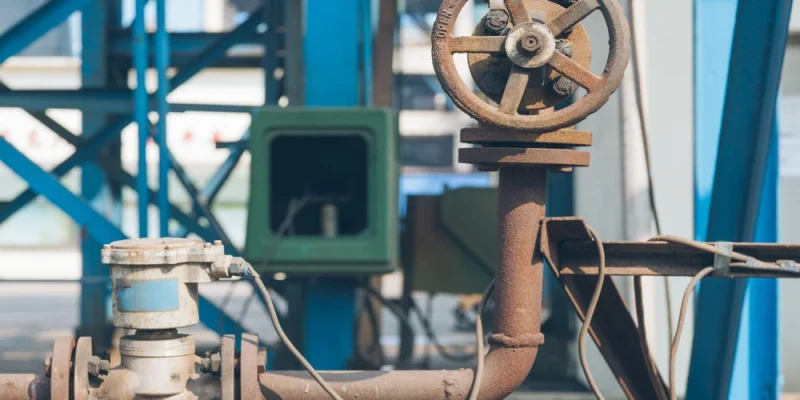
Key Takeaways
- Material selection is paramount in the marine environment to prevent corrosion and ensure the long-term reliability of the valve.
- Always verify that replacement valves meet the strict certification standards required by maritime classification societies.
- Proactive logistical planning and technical documentation are essential for minimising a vessel’s time in port during repairs.
Introduction
In the maritime industry, the reliability of every component on board is a matter of both safety and profitability. Among the most critical yet often overlooked pieces of hardware is the marine valve. These components control everything from fuel lines to ballast systems and fire-fighting circuits. When a valve begins to fail, the clock starts ticking for the ship operator. You know what? A faulty valve can lead to environmental hazards, mechanical breakdowns, or even a complete vessel detention by port authorities.
Replacing a marine valve in Singapore is a task that requires careful planning and technical insight. It is not as simple as swapping one part for another. You must consider the specific demands of the marine environment, such as salt-water corrosion and constant vibration. Making the right choice during the replacement process ensures the long-term integrity of your vessel’s systems. It is an investment in the safety of your crew and the efficiency of your voyages.
Identifying the Correct Specifications for Harsh Environments
The first step in any replacement project is ensuring that the new valve meets or exceeds the original specifications. Marine environments are notoriously tough on materials. A marine valve must be constructed from alloys that can resist the corrosive effects of seawater and humid air. Bronze, stainless steel, and specialised coatings are often required to ensure longevity. Using a valve designed for land-based industrial use on a ship is a recipe for disaster and will likely lead to rapid failure.
Beyond material choice, you must consider the pressure ratings and temperature limits of the system. Even a slight mismatch can lead to leaks or catastrophic failure under load. This is where the expertise of professional services comes into play. They can help you verify the technical data and ensure that the replacement part is fully compatible with your existing pipework. It is about precision; a millimetre difference in flange size can turn a simple replacement into a major engineering headache.
Evaluating the Benefits of Repair Versus Replacement
Before committing to a full replacement, it is worth considering whether the existing valve can be refurbished. Many high-quality marine valves are designed to be serviceable. Replacing internal components like seats, seals, or stems can often restore a valve to “as-new” condition at a fraction of the cost of a new unit. This approach is not only cost-effective but also more sustainable, as it reduces waste and the demand for new raw materials.
However, there are times when replacement is the only sensible option. If the valve body itself is showing signs of thinning or structural cracking, repair is no longer safe. Furthermore, if you are looking to upgrade to a more modern design that offers better control or lower maintenance, a full replacement is justified. A professional assessment will provide you with the information needed to make an informed decision. They can evaluate the condition of the hardware and suggest the most reliable path forward.
Ensuring Compliance with Maritime Regulations
Ships operate under a strict framework of international and local regulations. Any replacement of critical hardware must comply with the standards set by classification societies like ABS, DNV, or Lloyd’s Register. Using a marine valve that lacks the necessary certifications can lead to serious legal and insurance issues. You must ensure that the components you purchase are fully traceable and come with the required documentation. This is not just a bureaucratic exercise; it is about ensuring the seaworthiness of the vessel.
Working with an experienced provider ensures that these compliance needs are met seamlessly. They understand the documentation required for surveys and can provide parts that are already approved by the relevant authorities. This saves you time during inspections and gives you peace of mind that your vessel is operating within the law. In the high-stakes world of international shipping, cutting corners on certification is never worth the risk. It is better to do it right the first time.
Coordinating Logistics for Minimal Turnaround Time
Time in port is expensive, and every day a ship is delayed for repairs adds to the operational cost. Coordinating the replacement of a marine valve requires precise logistical planning. You want the parts and the technicians to be ready the moment the vessel arrives. A local provider with a deep inventory of marine-grade components can significantly reduce your turnaround time. They can offer the rapid services needed to get your ship back to sea as quickly as possible.
Effective communication is the key to a successful replacement. Providing your service partner with detailed photos, measurements, and system diagrams in advance allows them to prepare the necessary tools and parts. You know what? Surprises during a dry-dock or a short port stay are always unwelcome. By being proactive and providing as much information as possible, you ensure a smooth and efficient process. It allows you to manage your schedule with greater certainty and keep your fleet moving.
Conclusion
Replacing a marine valve is a critical maintenance task that demands technical expertise and careful planning. From selecting the right materials for the harsh sea environment to ensuring full regulatory compliance, every detail matters. Whether you choose to repair or replace, the goal remains the same: the safe and efficient operation of your vessel. By partnering with experts who understand the unique challenges of the maritime industry, you can ensure that your ship remains reliable for years to come.
For expert guidance and high-quality maritime components, get in touch with OTOM Services to see how we can support your fleet.





Comments