
 By
By 
Steel has long been the backbone of modern infrastructure, and among its many applications, Steel Pipe stands out as one of the most versatile and essential materials in the construction industry. From skyscrapers and bridges to plumbing systems and industrial facilities, steel piping is used in nearly every phase of building and engineering. Its combination of strength, flexibility, and durability makes it an indispensable component for projects that demand both performance and longevity.
This article explores why steel pipe continues to be a critical material in construction, how it enhances structural integrity, and the reasons engineers and builders around the world continue to rely on it.
1. The Strength That Builds Foundations
One of the most defining qualities of steel pipe is its exceptional strength. Engineered to withstand high pressure, tension, and external stress, steel pipes provide the load-bearing capacity required for large-scale infrastructure. They can handle immense forces without deformation, making them perfect for foundational support systems, scaffolding, and load transfer in high-rise buildings.
In deep foundation systems, steel pipes are often used as piling elements — driven deep into the ground to stabilize structures built on weak or variable soils. Their superior tensile strength ensures that buildings, bridges, and industrial installations remain stable for decades.
2. Durability That Withstands Time and Weather
Durability is another reason steel pipe is irreplaceable in construction. Unlike materials such as plastic, wood, or even some metals, steel resists environmental wear and damage. With proper coatings, it can endure harsh weather, corrosion, and even chemical exposure.
Modern galvanization and epoxy coatings further extend the lifespan of steel pipes, making them ideal for marine and offshore structures where moisture and salinity are constant challenges. The result is a foundation material that not only lasts but also maintains its structural integrity under extreme conditions.
3. Versatility Across Construction Applications
Steel pipe is used in an impressive range of construction applications — both structural and functional.
3.1 Structural Applications
- Building Frameworks: Hollow steel pipes serve as columns, trusses, and supports in high-rise and industrial buildings.
- Bridges and Towers: Their high load-bearing capacity makes them ideal for supporting heavy spans and vertical structures.
- Scaffolding Systems: Lightweight yet strong, steel pipes ensure worker safety during construction and maintenance.
3.2 Functional Applications
- Plumbing and Drainage: Steel piping is widely used for water, gas, and waste systems because of its pressure resistance.
- HVAC Systems: It helps transport air and fluids efficiently in heating and cooling systems.
- Industrial Transport: In refineries, power plants, and factories, steel pipes carry gases, chemicals, and high-pressure fluids.
This versatility makes steel pipe one of the few materials that serve both structural and mechanical purposes in construction.
4. Efficiency in Fabrication and Installation
Steel pipes are favored for their ease of fabrication and installation. They can be customized to specific lengths, diameters, and wall thicknesses based on project requirements. Their uniform shape allows for fast, accurate assembly using welding, threading, or flanging techniques.
Pre-fabricated steel piping systems also reduce on-site labor and improve construction efficiency. Because steel can be recycled and reused without losing quality, it supports sustainable building practices — saving both resources and time.
5. Sustainability and Environmental Benefits
Sustainability is a growing priority in construction, and steel contributes significantly to green building practices. Steel is 100% recyclable, meaning pipes can be reused indefinitely without losing their structural properties. The production and recycling process also consume less energy compared to many other metals, making it an environmentally responsible choice.
Moreover, using long-lasting materials like steel reduces waste and the need for frequent replacements. This not only lowers costs but also minimizes environmental impact over a building’s lifecycle.
6. Precision Engineering and Quality Control
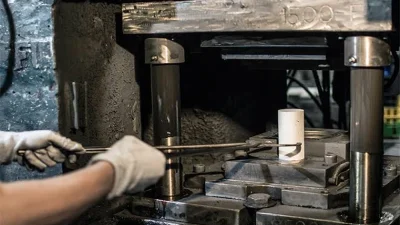
Steel pipes are manufactured under strict international standards such as ASTM, API, and ISO. This ensures consistency in strength, thickness, and quality — critical factors in modern construction. Manufacturers use advanced forming, welding, and heat-treatment techniques to enhance performance and reliability.
Quality control measures, including ultrasonic and hydrostatic testing, guarantee that each pipe can withstand the pressures and stresses of its intended use. This precision engineering ensures long-term safety and durability for all types of projects.
7. Cost-Effectiveness Over the Long Term
While the initial cost of steel pipe may be higher than some alternatives, its longevity and low maintenance requirements make it a cost-effective solution in the long run. Steel pipes require minimal upkeep, rarely needing replacements or repairs, which reduces overall project expenses.
Their ability to support multiple applications also minimizes the need for additional materials — contributing to overall savings in procurement, logistics, and installation.
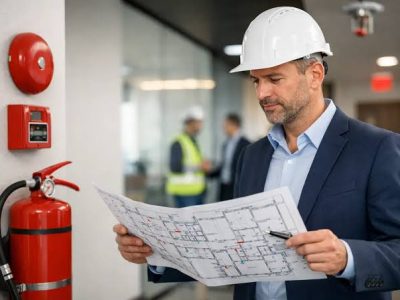
8. Fire and Heat Resistance
Unlike many construction materials that weaken or deform under high temperatures, steel pipes can withstand extreme heat. This makes them essential for structures requiring fire safety or exposure to thermal stress, such as power plants, factories, and high-rise buildings.
Their ability to retain shape and strength under intense heat conditions helps prevent catastrophic failures and enhances the overall safety of the structure.
9. Global Standard for Modern Infrastructure
Steel pipe remains the standard for infrastructure development worldwide. Its unmatched combination of strength, versatility, and durability has made it indispensable in industries ranging from construction and oil and gas to energy and transportation.
Whether forming the skeleton of a skyscraper, the foundation of a bridge, or the piping network beneath a city, steel pipes continue to define modern engineering excellence.
Conclusion
In construction, materials must deliver more than just strength — they must provide reliability, longevity, and adaptability. Steel pipe does all of that and more. Its robust structure, corrosion resistance, and versatility across applications make it one of the most valuable materials in the modern building industry.
By offering both structural and functional benefits, it ensures that every project — from residential developments to industrial megastructures — stands firm against the challenges of time and nature.








Comments