
 By
By 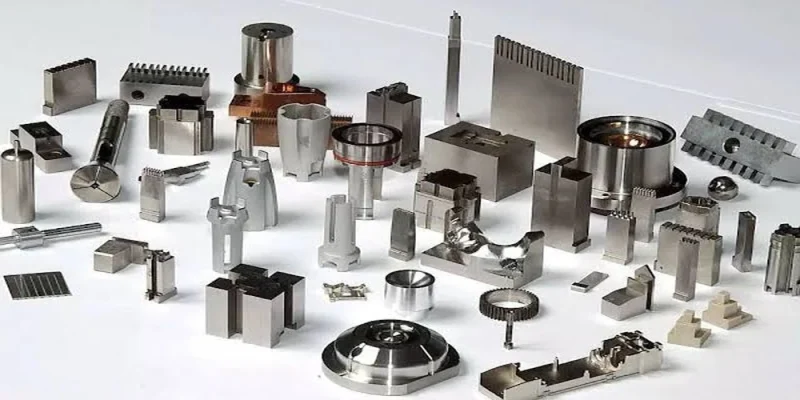
For manufacturers in various industries, a Computer Numerical Control or CNC milling machine serves as a foundation of modern production technology. This has changed the manufacturing industry, delivering a wealth of benefits that make it a primary technology for businesses pursuing efficiency, precision, and flexibility.
Here are some of the most important advantages of a CNC milling machine:
Unmatched Precision and Consistency
CNC milling machines are capable of producing parts with incredibly tight tolerances, often within microns. This level of accuracy is difficult, if not impossible, to achieve with manual machining. Once a program is set, CNC machines can repeat the same operation hundreds or thousands of times with identical results, guaranteeing consistency across large production runs.
Boosted Efficiency and Productivity
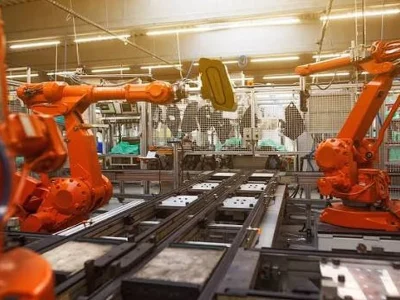
Thanks to automation, CNC milling machines can operate with minimal supervision. Operators can run multiple machines simultaneously, optimizing labor costs and enhancing throughput. Advanced CNC systems also allow for rapid changeovers, cutting downtime between jobs, and enabling manufacturers to respond quickly to changing order demands.
Complex Designs Made Easy
CNC milling excels at generating intricate geometries that would be difficult or impossible to achieve manually. With the aid of computer-aided design (CAD) software, complex parts with contours, slots, pockets, and angled features can be machined accurately and efficiently. This function expands innovative opportunities for engineers and manufacturers opting for a CNC milling machine in Australia.
Elevated Safety
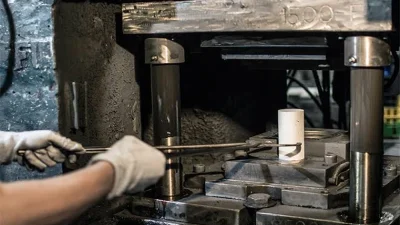
CNC milling machines are built with safety features that protect operators from direct contact with moving parts and cutting tools. Automated processes reduce the need for manual intervention, lowering the possibility of accidents and injuries commonly associated with traditional machining.
Material Versatility
CNC milling can be used to machine a wide range of materials, including metals like aluminum, steel, and titanium, as well as plastics, composites, and wood. This versatility renders CNC milling suitable for areas ranging from aerospace and automotive to electronics and medical device manufacturing.
Cost Reductions Over Time
Although the initial investment in CNC equipment can be substantial, the lasting savings are significant. Reduced labor requirements, fewer errors leading to less waste, and increased production speeds all help reduce per-part costs. In addition, the ability to quickly prototype and iterate on designs shortens product development cycles.
Get Cutting-Edge Results Today at Rahi Engineering
With over 40 years of experience in providing precision CNC machines in Australia to major clients, Rahi Engineering is dedicated to turning simple turned parts into complex custom components.
Visit our website or call (07) 3875 1778 to discover our capabilities today.





Comments