
 By
By 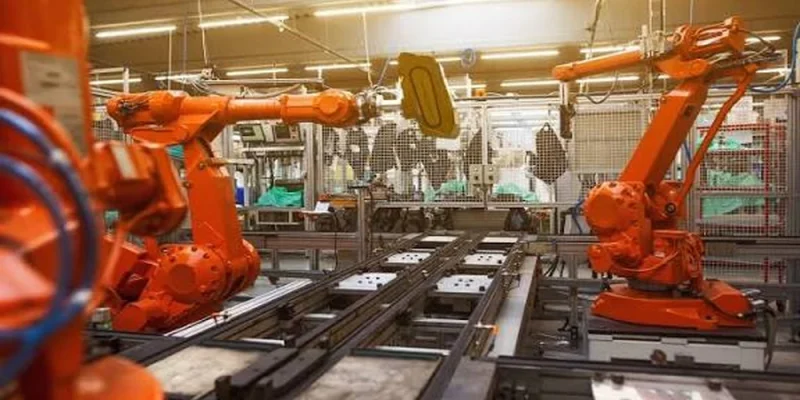
Selecting a machining facility requires more than checking whether a supplier offers CNC production. Businesses need to consider equipment, technical expertise, quality systems, production capacity, and communication when evaluating potential manufacturing partners. For companies reviewing regional capabilities, a machine shop Dallas TX may be assessed according to how effectively its resources align with the dimensions, materials, tolerances, quantities, and scheduling requirements of a particular project.
Essential Capabilities of a Modern Machining Facility
Modern machining facilities may support a wide variety of manufacturing requirements, from prototypes and replacement components to recurring production orders. The appropriate capabilities depend on the complexity of the parts and the industries being served.
Businesses should examine whether a facility handles the materials required for their components and whether its equipment can accommodate the necessary dimensions and geometries. Milling, turning, drilling, tapping, and other machining operations may all be relevant depending on the project.
Production flexibility can also matter when component quantities change. A supplier that supports different order volumes may be better suited to projects that progress from initial prototypes into established production.
Equipment and Technology Considerations
Equipment plays a significant role in determining what a machining facility can manufacture. CNC mills and lathes are commonly used for precision components, while multi-axis machinery can support more complex geometries.
Technology should be considered alongside machine capacity. Work envelope, spindle capabilities, tooling options, programming systems, and inspection resources can influence whether a facility is suitable for specific components.
Computer-aided manufacturing and digital programming can help translate engineering designs into precise machining instructions. However, maintaining accurate results also requires proper machine setup, tooling selection, maintenance, and process control.
The Importance of Experienced Technical Teams
Advanced machinery still depends on knowledgeable professionals. Machinists, programmers, engineers, and quality personnel each contribute to successful production.
Experienced teams can identify practical manufacturing considerations involving tolerances, tool access, material behavior, workholding, and machining sequences. Their knowledge can also become particularly valuable when a component has complex features or demanding specifications.
Communication between technical teams and customers is another important consideration. Questions about drawings, revisions, materials, or production requirements should be addressed clearly before manufacturing begins.
Quality Assurance and Production Reliability
Quality assurance should form part of the production process rather than occur only at the final inspection stage. Facilities may use dimensional measurement, in-process checks, final inspection, and documented quality procedures to verify that components meet specifications.
Material certifications and inspection documentation may also be required for certain applications. Businesses should determine which records are necessary before placing an order.
Production reliability involves more than dimensional accuracy. Consistent scheduling, equipment maintenance, adequate capacity, and effective communication all contribute to dependable component supply.
Regional industries may have distinct manufacturing requirements. Machine shop Houston TX may support projects connected with energy, petrochemical, maritime, industrial equipment, and other sectors where component specifications can be particularly demanding.
Evaluating Facilities for Long-Term Manufacturing Needs
Supplier evaluation should account for both immediate requirements and potential future projects. A business may begin with a prototype but later require larger production quantities, revised designs, or additional components.
Capacity should therefore be reviewed alongside technical capabilities. Businesses can ask about typical production volumes, lead times, equipment availability, inspection procedures, and how changes in specifications are handled.
It is also useful to understand how a facility manages recurring orders. Consistent documentation, repeatable processes, and clear communication can make ongoing production easier to coordinate.
Matching Facility Resources With Project Requirements
A modern machining facility should be evaluated through the complete picture of its capabilities. Equipment, technology, technical personnel, quality assurance, production capacity, and communication all influence manufacturing performance.
By comparing these factors against specific project requirements, businesses can make more informed decisions when selecting machining resources for prototypes, short runs, recurring orders, and longer-term manufacturing programs.






Comments