
 By
By 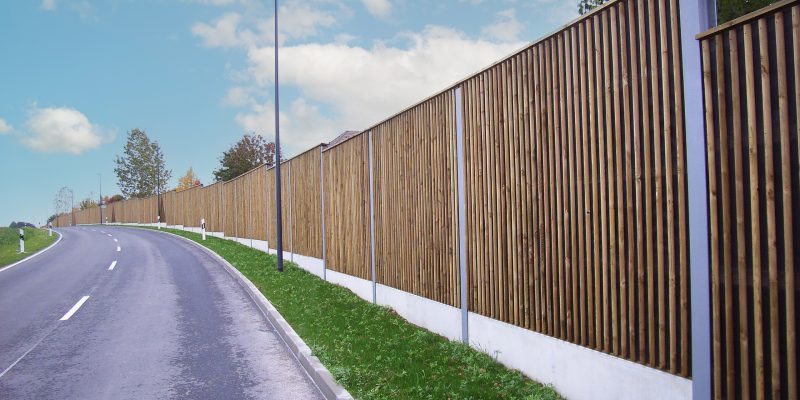
Noise control is one of those things that often feels secondary at the planning stage of a construction project. The focus is usually on design, timelines, materials, and manpower. But once work starts on site, noise quickly becomes one of the most noticeable impacts of the entire operation.
That’s where noise barriers come in. They’re not just there to tick a compliance box. They help manage how construction activity affects surrounding homes, businesses, and public spaces. The challenge is that there isn’t a single “standard” solution that fits every site. Different projects need different systems, and the selection process is more thoughtful than it might first appear.
Why noise barriers are never a one-size-fits-all solution.
Every construction site behaves differently. A residential tower going up in a tight urban area has completely different conditions compared to a highway upgrade or an industrial facility expansion. The type of equipment used, the duration of the project, and how close the site is to sensitive buildings all matter.
This is why noise barriers used in construction sites are chosen based on context rather than convenience. What works well for a short-term refurbishment might not hold up for a multi-year infrastructure build. Likewise, a heavy-duty system designed for highways may be unnecessary for smaller interior works.
So before anything is installed, project teams usually assess the surrounding environment first. That includes nearby housing, traffic flow, and even how sound might reflect off adjacent buildings.
Temporary systems vs long-term installations.
One of the first decisions is whether the barrier system needs to be temporary or permanent.
Temporary systems are common on active construction sites. These are usually modular panels or portable fencing systems that can be installed quickly and adjusted as the project progresses. They’re designed to move with the work itself, especially when different phases of construction require changing layouts.
Permanent systems, on the other hand, are built for long-term infrastructure. Think of roadways, rail corridors, or industrial zones where noise control is part of the final built environment.
A construction site noise barrier setup in a temporary project is all about flexibility. It needs to be easy to install, extend, or reposition without disrupting ongoing work. In permanent cases, the focus shifts more towards durability, long-term acoustic performance, and resistance to environmental wear.
How material choice affects real-world performance.
At first glance, many barrier systems look similar. Panels, frames, and surface finishes can appear almost identical. But the internal structure is where the real differences show up.
Some systems rely heavily on dense solid materials to block sound transmission. Others combine reflective outer layers with absorptive cores to reduce sound energy more effectively. In some cases, recycled rubber, mineral composites, or engineered polymers are used to improve performance across different frequency ranges.
The type of noise also matters. Construction equipment produces a mix of low-frequency vibrations and higher-frequency mechanical sounds. A system designed only for one type may not perform well across the board.
That’s why noise barriers used in construction sites are often multi-layered. The idea is not just to block sound, but to manage it in different ways depending on its source and intensity.
Site constraints play a bigger role than people expect.
One of the biggest challenges in real projects is space. Construction sites are rarely generous with room. In many urban environments, there may only be a narrow strip available between the work zone and public access areas.
This directly influences the type of barrier system used. Taller vertical panels are often chosen when horizontal space is limited. In other cases, freestanding systems are used where ground fixing isn’t possible due to underground utilities or changing site conditions.
A construction site noise barrier design also has to work around practical site operations. Access gates, vehicle routes, crane movement, and emergency exits all need to remain functional. So barriers can’t just be placed wherever they seem convenient. They have to integrate into how the site actually operates day-to-day.
Weather and environmental exposure matter more than expected.
Construction doesn’t happen in controlled indoor conditions. Barriers are exposed to sun, rain, humidity, and wind for long periods. In some regions, that exposure is constant and intense.
Over time, this can affect both structural integrity and acoustic performance. Materials may warp, fade, or degrade if they are not designed for outdoor use. Fixings can loosen, and panels may shift under repeated wind load.
Because of this, well-designed noise barriers used in construction sites are not only tested for sound performance but also for environmental durability. Corrosion resistance, UV stability, and wind load ratings all become part of the selection process.
Regulations and compliance expectations.
Noise control on construction sites isn’t optional in most places. Local regulations often set limits on allowable noise levels, especially near residential or sensitive areas like schools and hospitals.
This means barrier selection is often tied directly to compliance requirements. In some cases, projects need to demonstrate that their chosen system meets specific acoustic ratings before work can even begin.
Documentation, product testing, and certification can all be part of the approval process. So selecting a system isn’t just about what works physically on site, but also what is acceptable from a regulatory standpoint.
If a system doesn’t meet requirements, it can lead to delays, redesigns, or even enforced changes during construction, which nobody wants once the project is already underway.
Final Thoughts
Choosing noise barriers for construction projects is much more than selecting panels from a catalogue. It involves understanding the site, the surrounding environment, the type of work being done, and how all of those factors change over time.
When the right system is selected, noise barriers used in construction sites become an essential part of managing impact on surrounding communities, supporting compliance, and keeping projects running smoothly.
They may sit quietly at the edge of the site, but their role in shaping how a project interacts with its environment is anything but minor.







Comments